
.svg)




Return Logistics Simply Explained: What You Need to Know
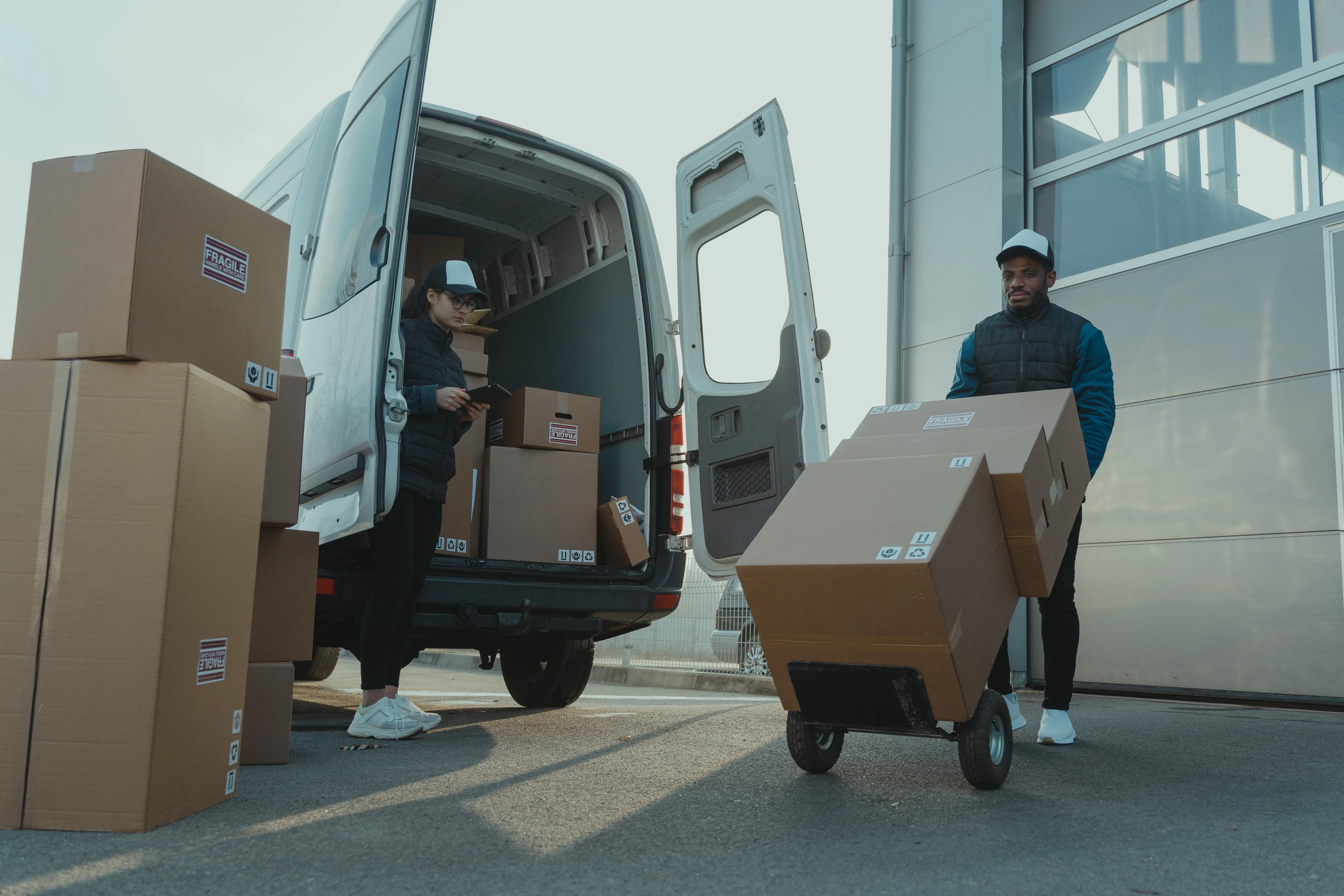
Reverse logistics is a part of logistics that is often overlooked, yet it is of great importance to your webshop. It concerns the process of products being returned by customers.
Returns can occur for various reasons, such as defects, incorrect orders, or dissatisfaction with the product. In this article, we will delve deeper into what reverse logistics entails, its purpose, and why it is becoming increasingly important. We will also provide several examples of effective reverse logistics.
Reverse logistics: what exactly does it entail?
Reverse logistics is the process of products being returned by customers. This process begins the moment a customer decides to create a return label and ends when the product is back in stock, resold, or needs to be recycled.
There are various parties that can help you offer reverse logistics - for example, DHL, PostNL, or DPD. Each of these parties has different pros and cons
What exactly happens to your returns from the moment they are sent in?
The process begins the moment a customer returns a product. The first step is receiving the product and checking its condition. This often happens at a returns department within the company or at a third party that handles this.
Parties such as Monta, Active Ants & Picqer are solutions for processing (or outsourcing the processing of) returns. Next, it is determined whether the product is still sellable. If so, the product can be resold. If the product is defective or damaged, it is assessed whether it can be repaired or if it must be recycled.
The purpose of reverse logistics explained
The purpose of reverse logistics is to process and reuse returned products as efficiently as possible. This can mean that products are resold, repaired, or replaced.
This prevents product waste and allows for revenue to be generated once again. It also helps the company build a better image with its customers, as they see that the company handles returns responsibly.
It is recommended to clearly outline the steps of the return process on the returns section of your website and on the packing slip, while also explaining how your webshop handles returns. The more transparent you are about this, the better it will be for customer loyalty.
Reverse logistics is becoming increasingly important for these reasons
The world of reverse logistics is becoming increasingly important due to the growing trend of online shopping and rising customer expectations.
More and more people are buying products online and therefore expect an easy process for returning items. Companies must therefore ensure a solid return process, so that customers are satisfied and return for repeat purchases.
In addition, sustainability is becoming increasingly important for both companies and consumers. Reverse logistics can contribute to sustainability by reusing products instead of wasting them. There are several options on the market to offer 'green' returns, for example via Homerr.
Examples of effective reverse logistics
Below are a number of best practices in the field of reverse logistics
1. Loavies
Loavies has an optimized return process where customers can easily submit a return request and use a barcode on their phone to return the product via various carriers. This makes it easy for customers to return products and helps minimize waste.
2. H&M
H&M has a sustainability program called "Clothes Back" where customers can drop off old clothing at a store. This clothing is then recycled or reused. This not only helps reduce waste but also gives customers an extra reason to shop at H&M. Drop & Loop is an initiative that makes it possible to implement this in the Dutch market.
3. Decathlon
Decathlon has a 365-day return period; this gives customers the flexibility to return products when it suits them, rather than within a limited timeframe. This increases customer satisfaction and can lead to repeat purchases.
Invest in return logistics to stand out from your competitors
Return logistics is a key part of logistics for many companies, as it contributes to efficiency, sustainability, and customer satisfaction. Companies that implement effective return logistics will distinguish themselves from their competitors and build a better reputation.
As a business, it is therefore important to invest in an efficient return process and work towards sustainability. The best way to do this is by using a complete return solution like the one from Returnista . As a consumer, it is important to know that any returns made to an online store contribute to a more sustainable world.

Start today with Returnista
We would love to tell you more about our all-in-one return solution. Get in touch: completely free and without obligation.
Schedule a DemoStay up to date with the latest return insights